

On 5 March 2026, German Solidarity with Myanmar (GSM) e.V. hosted its 6th Indo-Pacific Political Briefing, which focused on the increasingly visible alignment between Moscow and Myanmar’s military authorities. Since Myanmar’s military coup in 2021, Russia has emerged more openly as one of the junta’s key international partners, providing diplomatic support, military equipment and training. Speakers examined how this relationship has expanded beyond arms trade concerning broader political and strategic coordination. Both sides benefit from the cooperation. Russia views Myanmar as a strategic entry point into Southeast Asia and the wider Indo-Pacific region. At the same time, Myanmar’s authorities rely on Russian support to mitigate international isolation and sanctions.
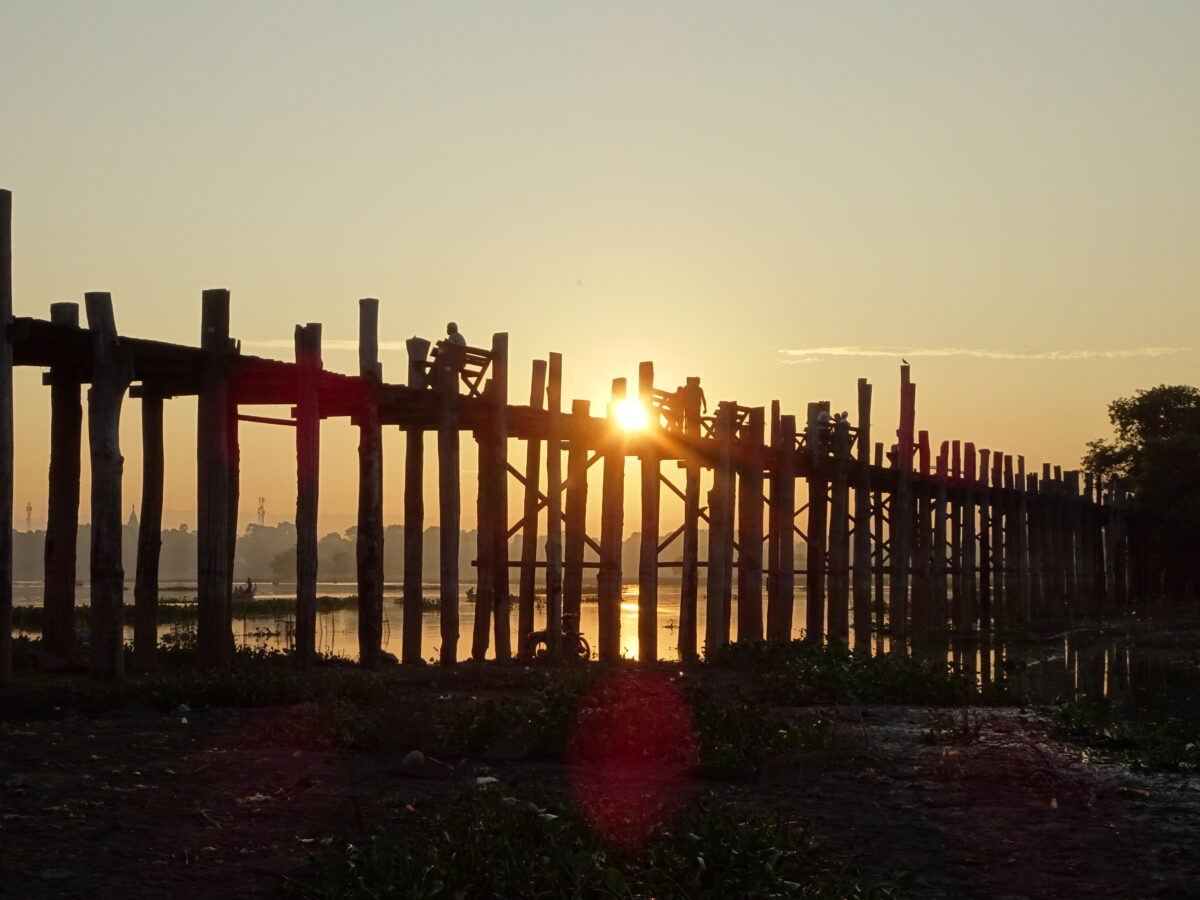
Photo Credit: Internet
On 5 March 2026, German Solidarity with Myanmar (GSM) e.V. hosted its 6th Indo-Pacific Political Briefing, bringing together leading experts to discuss the growing strategic partnership between Russia and Myanmar and its implications for regional and global security. This online event gathered invited researchers, policy specialists, decision makers and members of civil society interested in understanding the evolving geopolitical dynamics in the Indo-Pacific.
A Timely Discussion on Russia–Myanmar Relations
The briefing focused on the increasingly visible alignment between Moscow and Myanmar’s military authorities. Since Myanmar’s military coup in 2021, Russia has emerged more openly as one of the junta’s key international partners, providing diplomatic support, military equipment and training. Speakers examined how this relationship has expanded beyond arms trade concerning broader political and strategic coordination.
Both sides benefit from the cooperation. Russia views Myanmar as a strategic entry point into Southeast Asia and the wider Indo-Pacific region. At the same time, Myanmar’s authorities rely on Russian support to mitigate international isolation and sanctions.
Russian weapons – a game changer in Myanmar‘s civil war?
Soe Myint, Editor-in-Chief and co-founder of Mizzima, provided an overview of Myanmar’s current political landscape and the internal dynamics shaping the junta’s foreign policy choices. He explained how the military leadership has actively pursued partnerships with AUTOCRATIC states willing to engage, especially with Russia and China. He emphasized that Russia-Myanmar relationship will strengthen as its significance for Russia extends beyond Myanmar.
Alexey Yusupov, Head of the Russia Program at the Friedrich Ebert Stiftung, examined Russia’s broader foreign policy objectives. He emphasized the importance of distinguishing between different areas of cooperation. While media narratives often portray the Russia–Myanmar relationship as broadly expanding across multiple sectors, Yusupov noted that many forms of collaboration remain limited or less substantial than they appear. In contrast, military cooperation stands out as the most consistent and functional dimension of the partnership, reflecting Russia’s role as a key arms supplier and security partner to Myanmar’s military leadership.
Svetlana Zens, a digital rights and ICT expert, focused on the role of technology, digital governance, and information control in authoritarian cooperation. She highlighted Russia’s long-standing interest in Myanmar, their cooperation regarding cybersecurity and the visible parallels between the junta’s understanding of digital “rights” and that of Russia’s leadership. Tools and expertise, as support for tackling cybercrimes as in Scam centers, would potentially be repurposed for domestic surveillance.
Prof. Dr. Andreas Heinemann-Grüder, Fellow at the Global Public Policy Institute in Berlin and Professor at the University of Bonn, analyzed the geopolitical and security implications of Russia’s involvement in Myanmar. His remarks addressed how this relationship could affect regional stability, arms dynamics, and the broader architecture of the Indo-Pacific security environment.
Implications for Europe and the Indo-Pacific
A key theme of the briefing was the relevance of Russia–Myanmar relations for European security and international governance. The speakers highlighted how networks of cooperation among autocratic governments are becoming more visible, extending beyond regional boundaries and influencing global political dynamics.
Participants discussed how European policymakers may need to adapt to these developments. Identifying ships and companies that enable the supply of aviation fuel and weapons to the regime, weakening the so-called cronies in both countries and supporting the democratic resistance would be one way of weakening the junta.
GSM’s Indo-Pacific Political Briefing Series provides a platform for informed discussion on political developments affecting Myanmar and the wider region. By bringing together academics, journalists, and policy experts, the series aims to foster deeper understanding of complex geopolitical developments and their implications for democratic governance, human rights, and international cooperation.